

What Should You Pay Attention To When Buying an Office Chair?
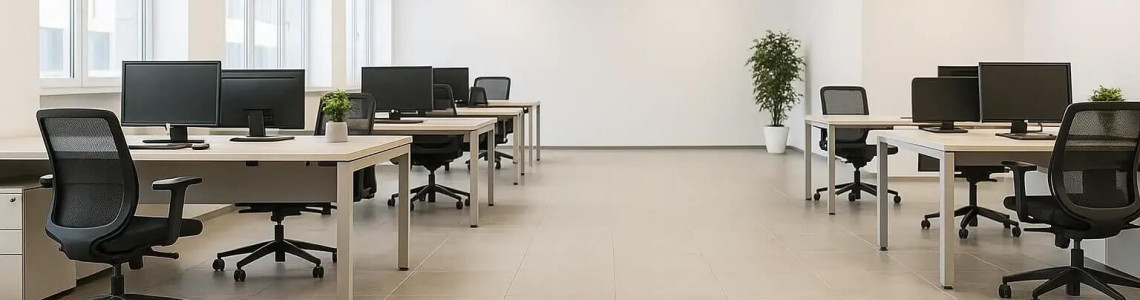
In today’s working life, most of our day is spent sitting at a desk, which makes the choice of the right chair extremely important for both health and performance. Although it may look like an ordinary piece of furniture, a chair directly affects many aspects of your well-being—from your lower back to your shoulders, from your wrists to your mental energy. A poor-quality seating experience can lead to back pain, neck stiffness, shoulder tension, concentration problems, and decreased motivation after just a few weeks of use. On the other hand, an ergonomically designed chair supports your body’s natural posture, protects your physical health, and helps you stay mentally alert throughout the day. For this reason, selecting an cheap office chair based solely on appearance is not enough. Many details—your usage habits, working hours, body measurements, and even your daily movement style—play a decisive role.
The guide below is not a classic technical checklist. Instead, it offers a user-experience-focused perspective shaped by the real needs of people who spend long hours at their desks. Each section explains in detail the critical points that determine comfort during extended use.
Ergonomics: A Chair That Adapts to Your Body
Ergonomics is one of the most important factors that make a chair “good.” However, many users mistakenly think of ergonomics as nothing more than lumbar support. In reality, ergonomics is a combination of dozens of elements—seat height, backrest angle, armrest position, seat depth, movement capability, and much more.
The defining feature of an ergonomic chair is its ability to support your natural posture without forcing your body during long hours of sitting. If the chair fails to support the spine’s natural S-shape, you will slowly begin to slouch and shift into a curved posture. This posture may go unnoticed during the day but causes serious long-term discomfort. For the best user experience, the ideal chair gently embraces your body as soon as you sit down and distributes your weight evenly.
Having an adjustable lumbar support is particularly important. Everyone's spine curvature and sitting habits are different. A backrest that does not match your lumbar depth will leave your lower back unsupported the moment you lean back. Once the lumbar support fits perfectly, users feel the comfort difference instantly—this small detail brings major comfort during long working sessions.
The headrest should also not be overlooked. People who work at a computer tend to keep their neck muscles tense without realizing it. An adjustable headrest provides support during short resting moments and relieves accumulated tension. This feature is especially valuable for professions that require long hours of screen time, such as software development, finance, engineering, and graphic design.
Material Quality: The Key to Long-Term Comfort
Even if a chair is ergonomic, it cannot deliver a good experience unless it is made with high-quality materials. Fabric, foam, and frame structure determine both durability and comfort.
Breathable fabrics are extremely valuable during long sitting sessions. They help prevent sweating, stay hygienic longer, and feel more comfortable against the skin. Leather or faux leather chairs look stylish but may trap heat if not manufactured with breathable technology. However, many modern high-quality faux leathers are now much more breathable and extremely easy to clean.
Foam density is one of the most important but often overlooked factors in real-world usage. Soft foam may feel comfortable at first, but after a few months it collapses and loses all support. High-density foam, on the other hand, distributes weight evenly and stays firm for years. Although it may feel slightly firm at first, it adapts to your body within minutes and provides superior comfort throughout the day.
The frame structure should ideally be metal. Metal frames handle weight and years of use better than plastic frames. Plastic frames are lighter but may flex or loosen over time. Additionally, stability plays a major role in user experience—chairs that wobble or creak make users feel unsafe and negatively affect focus.
Adjustability: A Chair That Adapts to You, Not the Other Way Around
Every person’s height, arm length, sitting posture, and desk height are different. Therefore, adjustability is one of the most important criteria for a comfortable chair. Adjustable seat height, armrests, backrest recline, and seat depth allow you to customize the chair according to your needs.
Seat height must be adjustable across a wide range. Your feet should rest flat on the floor and your knees should remain at a 90-degree angle. This helps maintain healthy blood circulation and prevents leg numbness.
Armrests are another feature users tend to ignore. Correctly positioned armrests significantly reduce strain on the wrists, shoulders, and neck. Armrests that move up-down, forward-backward, and side-to-side allow you to keep your shoulders relaxed while typing or using a mouse.
The backrest should recline smoothly and lock in place when needed. During long work sessions, leaning back even a few degrees helps your back muscles relax. However, if the chair pushes you forward while reclining, comfort is lost. The best experience comes from synchronized mechanisms where the seat and backrest move together in harmony. This distributes weight evenly and reduces pressure.
Adjustable seat depth is another important feature. If the seat is too deep, the lumbar support becomes useless; if it is too shallow, the front of the seat puts pressure on your legs. Chairs with adjustable seat depth provide superior comfort, especially in offices where people of different heights use the same chair.
Mobility and Wheel Quality: Reducing Fatigue Throughout the Day
A chair is not just a place to sit—it is a piece of equipment you interact with constantly throughout the day. You stretch to grab your notebook, swivel to reach a drawer, lean sideways for a document, or roll closer to your desk. If the chair’s movement is limited or stiff, these small actions require unnecessary effort and accumulate into fatigue by the end of the day.
Wheels should match the type of floor. For hard floors (tile, parquet, laminate), soft-rolling, quiet wheels are essential. Poor-quality wheels can scratch the floor, create noise, and require more physical effort to move. For carpeted floors, larger wheels designed for multi-directional movement provide a smoother experience.
The swivel mechanism must be stable. A chair that hesitates, sticks, or wobbles during rotation interrupts workflow and creates a constant feeling of imbalance. A smooth swivel provides easier movement and helps save energy in long working hours.
The gas lift (pneumatic cylinder) is another crucial component. Low-quality gas lifts sink over time or create an unstable, “dropping” sensation. A high-quality gas lift maintains height for years and provides smooth, comfortable adjustments.